EN
EN AF
AF AM
AM AR
AR AZ
AZ BE
BE BN
BN BS
BS CY
CY CA
CA CEB
CEB CS
CS CO
CO DA
DA DE
DE EO
EO ET
ET EU
EU ES
ES EN
EN EL
EL FI
FI FR
FR FA
FA FY
FY GA
GA GU
GU GD
GD GL
GL HY
HY HR
HR HT
HT HA
HA HAW
HAW HI
HI HMN
HMN HU
HU IW
IW IS
IS IG
IG ID
ID IT
IT LT
LT LB
LB MY
MY MK
MK MG
MG MS
MS NO
NO NY
NY PL
PL PT
PT PA
PA RO
RO RU
RU SV
SV TH
TH TR
TR TL
TL UK
UK UR
UR VI
VI XH
XH YI
YI YO
YO ZU
ZU Popular News
Four Blue‑Ocean Niches: Machinery for Medical‑grade SMS, Air‑laid Towels, Geotextiles and Fiberglass Non‑woven Fabric
2026-08-29


As the global nonwoven industry continues to expand across hygiene, medical, agriculture, packaging, and filtration sectors, many manufacturers are looking for more flexible and cost-effective production solutions. For small and medium-sized enterprises (SMEs), investing in a large-scale nonwoven production line all at once can create significant financial pressure.
This is why modular nonwoven production lines are becoming increasingly popular in 2026. Instead of building a fully integrated system from the beginning, manufacturers can start with a core production module and expand capacity later as market demand grows.
What Is a Modular Nonwoven Production Line?
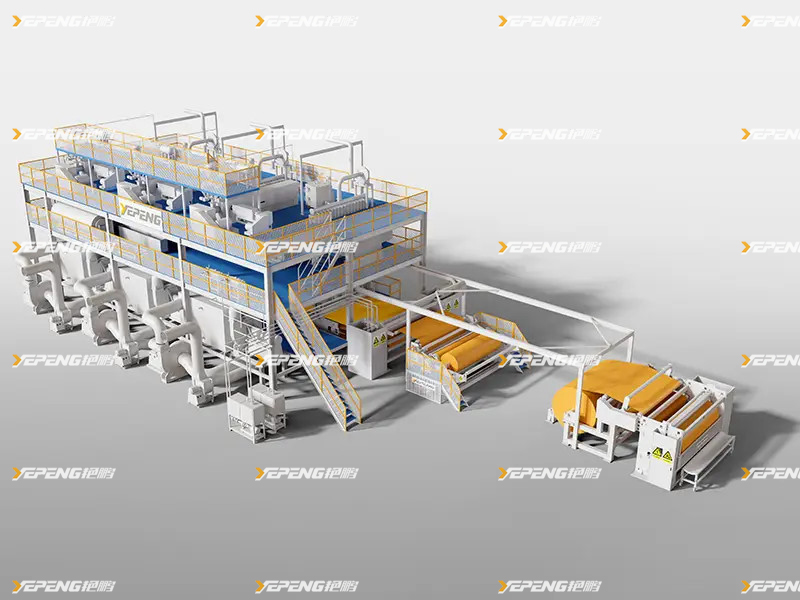
A modular nonwoven line is a flexible manufacturing system designed with expandable production units. Companies can begin with a basic spunbond production line and later add additional modules such as:
Meltblown systems
SMS composite systems
PET needle punch modules
Recycled PET (rPET) production systems
This allows manufacturers to scale production gradually without replacing the entire line.
For example, a company may first produce PP spunbond fabric for packaging or agriculture, then later upgrade to SMS medical fabric production as demand increases.
Lower Investment and Reduced Risk
One of the biggest advantages of modular production is lower startup cost. Traditional nonwoven lines often require major investment in equipment, factory space, and utilities.
Modular systems help reduce these pressures by offering:
Lower initial equipment investment
Smaller factory space requirements
Faster installation and commissioning
Easier future expansion
Reduced operational risk
For growing manufacturers, this “expand-as-you-grow” model creates a more manageable path into the nonwoven industry.
Greater Production Flexibility
Modern nonwoven markets require diverse products for different applications. Modular systems make it easier to adapt production to changing customer needs.
Manufacturers can produce materials for:
Medical and hygiene products
Agricultural covers
Packaging materials
Filtration fabrics
Automotive and industrial applications
This flexibility allows companies to enter new markets without completely rebuilding their production systems.
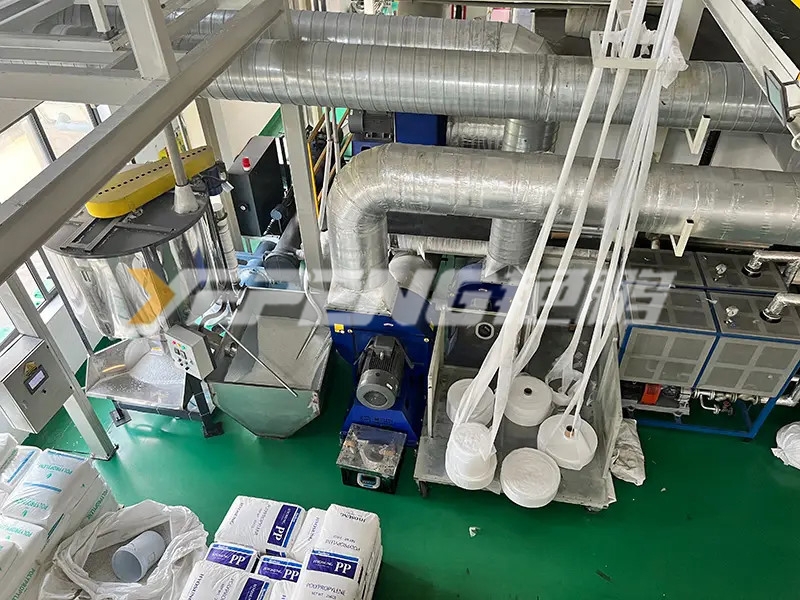
Sustainability Is Driving Industry Growth
Sustainability is becoming a major focus in the global nonwoven industry. Many manufacturers are now investing in recycled PET and energy-efficient production technologies.
Modular nonwoven systems support sustainable manufacturing by allowing easier upgrades, reduced material waste, and better energy management.
As demand for flexible and scalable production continues to rise, modular nonwoven lines are becoming an ideal solution for manufacturers seeking long-term growth and competitive advantages.